
Loan Officer Management Platform Costs for Mortgage Brokerages in 2026
How to Choose a Platform
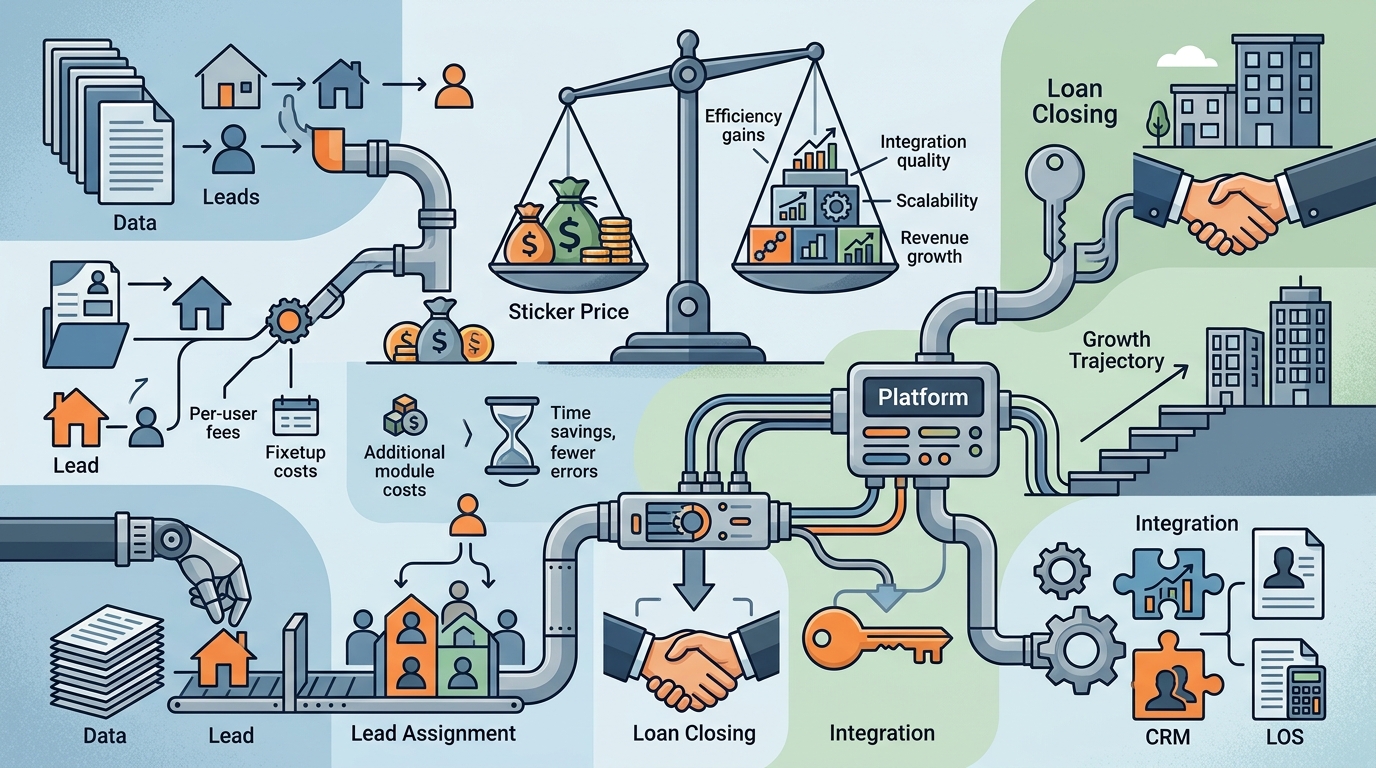
Choosing the right loan officer management platform requires looking beyond the sticker price. A platform is a software system designed to manage the lifecycle of loan officers, from lead assignment to closing. The best choice depends on your brokerage's current workflow and growth trajectory. You need a tool that integrates seamlessly with your existing CRM and loan origination systems. For additional details, review the BrokeragePipeline Software for mortgage.
Core Functionality Requirements
Scalability and Flexibility
Questions to Ask Vendors
Before committing to a vendor, you must ask specific questions that reveal the true total cost of ownership. Vendors often quote a base price that excludes essential add-ons. You need clarity on what is included in the monthly fee and what costs extra. For additional details, review the .
Pricing Transparency
Support and Onboarding
Question the level of support provided. Is onboarding included in the monthly fee, or is it a one-time charge? What is the response time for technical issues? A platform that requires extensive manual configuration may save money upfront but cost you in lost productivity during implementation. For additional details, review the Customer Experience.
Verifying Vendor Claims
Marketing materials often highlight best-case scenarios. You must verify that a vendor's claims about performance and reliability are accurate. Verification protects your investment and ensures the platform delivers on its promises. For additional details, review the Frequently Asked Questions.
Requesting Case Studies
Ask for case studies from brokerages similar in size and location to yours. Look for specific metrics, such as lead response time improvements or closing rate increases. A reputable vendor will provide references you can contact directly. Do not rely solely on testimonials on their website. For additional details, review the About.
Checking Compliance Credentials
Verify that the vendor complies with industry regulations. Mortgage technology must adhere to strict data privacy laws. Ensure the platform has documented compliance with relevant federal and state regulations. This step is critical for protecting your brokerage from legal risk.
Implementation Workflow
Understanding the implementation process helps you plan for the time and resources required. The workflow typically involves data migration, user training, and system integration. Knowing the sequence of steps allows you to anticipate disruptions to your daily operations.
Phase One: Setup and Integration
Phase Two: Training and Go-Live
Once the system is configured, your team undergoes training. This phase ensures that loan officers and managers understand how to use the new tools. A smooth go-live requires clear communication and support from the vendor. Plan for a transition period where both old and new systems may run in parallel.
Cost Drivers and Pricing Models
The monthly cost of a loan officer management platform is driven by several key factors. Understanding these drivers helps you negotiate better terms and avoid paying for features you do not need. Pricing models vary significantly across the market.
Per-Seat vs. Per-Lead Pricing
Feature Tiers and Add-Ons
Common Mistakes to Avoid
Many brokerages make costly errors when selecting and implementing management platforms. These mistakes can lead to budget overruns and operational inefficiencies. Being aware of these pitfalls helps you navigate the selection process more effectively.
Underestimating Integration Costs
One common error is assuming that the platform will integrate seamlessly with existing tools. Custom integrations can be expensive and time-consuming. Always request a detailed integration plan and cost estimate before signing a contract. Factor in the internal labor required to manage these connections.
Ignoring Change Management
Another mistake is failing to prepare your team for the change. If loan officers resist the new system, adoption rates will suffer. Invest time in training and change management. A platform is only as good as the people using it. Ensure that your team understands the value of the new workflow.
Comparison with Alternatives
It is important to compare dedicated loan officer management platforms with general-purpose CRM tools. Each option has distinct advantages and disadvantages. The right choice depends on your specific needs and budget constraints.
| Mortgage-Specific Workflows | High | Low |
| Lead Automation | Advanced | Basic |
| Cost Predictability | Medium | High |
Costs for Specific Brokerage Sizes
The appropriate platform and cost structure vary by brokerage size. A small team has different needs than a large enterprise. Tailoring your choice to your current scale ensures you get the best value for your money.
Small Brokerages (1-5 Loan Officers)
Mid-Size Brokerages (6-20 Loan Officers)
Mid-size teams need robust reporting and multi-channel lead management. This is where dedicated platforms shine. You can afford to invest in advanced automation and analytics. The goal is to optimize the performance of each loan officer and identify top performers.
Compliance and Data Protections
Mortgage technology operates within a strict regulatory framework. You must ensure that your platform provider adheres to all applicable laws. Compliance is not optional; it is a fundamental requirement for operating in the mortgage industry.
Data Privacy and Security
Regulatory Adherence
Regional Considerations
State-Specific Regulations
Some states have specific rules regarding mortgage advertising and lead handling. Ensure that your platform can accommodate these local requirements. A platform that is compliant in one state may need adjustments for another. This is particularly important for brokerages operating across state lines.
Timing Your Investment
The timing of your platform investment can impact its effectiveness. Aligning the implementation with your business cycle helps maximize the return on investment. Consider your growth plans and seasonal trends when deciding when to switch.
Aligning with Growth Cycles
If you plan to hire new loan officers, implement the platform before they start. This ensures they are trained on the new system from day one. Conversely, if you are in a slow season, it may be a good time to implement changes with less disruption. Plan the rollout to minimize impact on your closing numbers.
Long-Term ROI
The value of a loan officer management platform is measured over time. Initial costs are offset by improvements in efficiency and revenue. Tracking key performance indicators helps you understand the long-term impact of your investment.
Measuring Efficiency Gains
Track metrics such as lead response time and cost per lead. A well-implemented platform should reduce the time it takes to respond to leads. Faster response times often correlate with higher conversion rates. Monitor these metrics regularly to ensure the platform is delivering value.
Revenue Impact
Ultimately, the goal is to increase revenue. Look for improvements in closing rates and average loan size. A platform that helps loan officers manage their pipeline more effectively can lead to higher production. Calculate the return on investment by comparing the platform cost to the additional revenue generated.
Key Takeaways
- Always verify vendor claims by requesting case studies and compliance documentation.
- Integration costs and setup fees can significantly impact the total cost of ownership.
- Choose a platform that aligns with your brokerage's current size and growth trajectory.
- Compliance with data privacy and regulatory laws is non-negotiable for mortgage technology.
- Implement the platform during a period that minimizes disruption to your closing operations.
- Track key performance indicators to measure the long-term return on investment.
Frequently Asked Questions
What is the average monthly cost for a loan officer management platform?
Does the price include setup and training?
Can I cancel the subscription at any time?
How long does implementation take?
Implementation typically takes one to two weeks for setup and integration. Training and go-live may take an additional week. The total timeline depends on the complexity of your existing systems.
Is the platform compliant with mortgage regulations?
Reputable vendors ensure their platforms comply with federal and state mortgage regulations. You should request documentation of their compliance measures and data security practices.