
What Mortgage-Specific AI Phone Systems Actually Work for After-Hours Calls
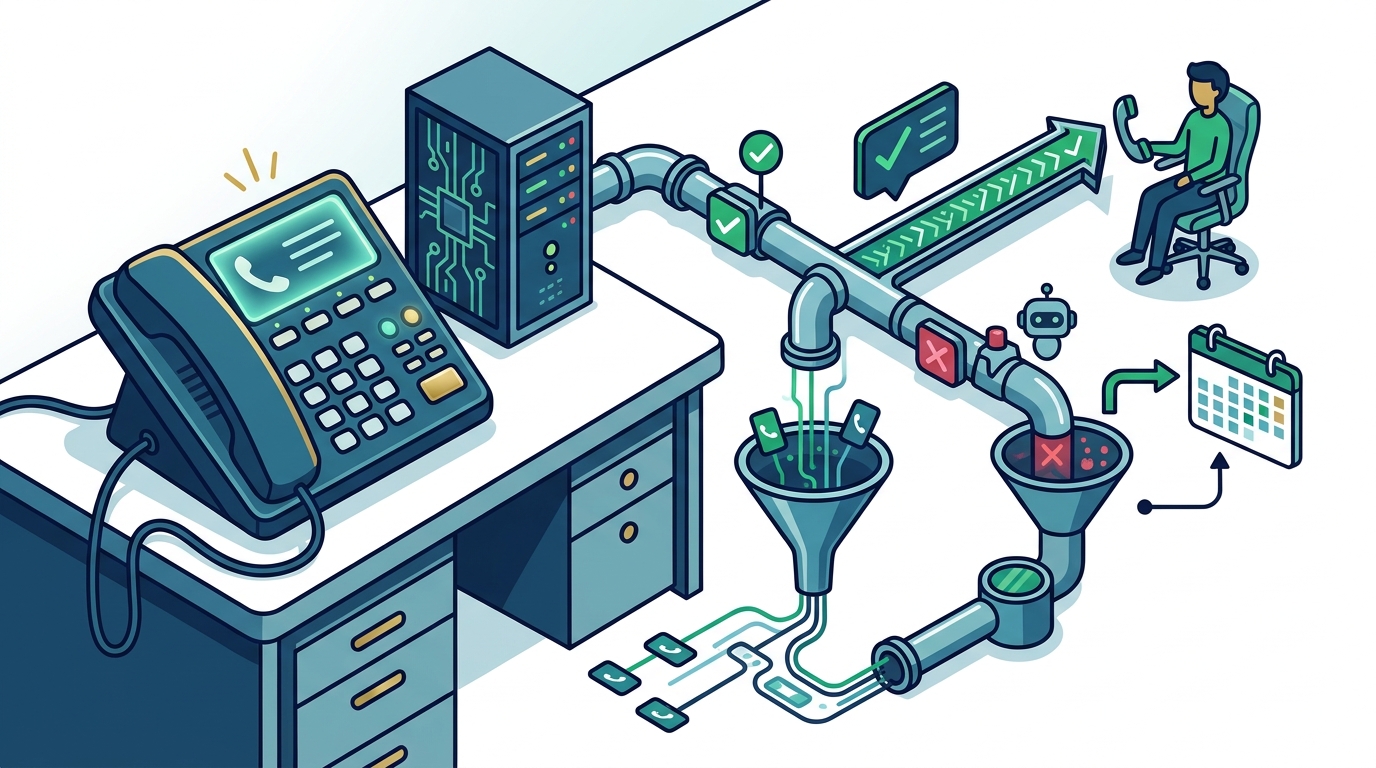
Effective mortgage-specific AI phone systems work by combining natural language processing with strict compliance guardrails to screen leads and transfer qualified borrowers to licensed loan officers. These platforms distinguish between genuine homebuyers and automated spam, ensuring that after-hours inquiries are handled with the same precision as business-hours interactions. By integrating directly into brokerage workflows, these tools prevent lead leakage while maintaining the human touch required for high-stakes financial decisions. For additional details, review the .
The Critical Gap in After-Hours Lead Handling
Most mortgage brokerages lose a significant portion of their potential revenue because calls made outside of business hours go unanswered. A mortgage-specific AI phone system is a software solution designed to intercept these calls, engage the caller in a conversation, and determine their intent. The primary failure point in generic AI systems is their inability to understand mortgage-specific terminology, such as the difference between a refinance inquiry and a rate lock request. When a system misinterprets these nuances, it often fails to qualify the lead correctly, resulting in wasted time for loan officers the following morning. For additional details, review the About.
The evidence for this gap is clear in the behavior of modern homebuyers. Many consumers research loans online at night or on weekends, and they expect immediate responses. If a brokerage cannot provide a human answer, the caller often moves on to a competitor who can. This is where specialized platforms like BrokeragePipeline become essential. The platform is built specifically for the mortgage industry, meaning its AI is trained on the specific vocabulary and workflows of loan origination, not just general customer service.
Screening Out Spam and Robocalls
One of the most valuable functions of a mortgage-specific AI phone system is its ability to filter out unwanted calls. A lead screening protocol is a set of automated checks used to verify the identity and intent of a caller before connecting them to a human agent. Generic AI systems often struggle with this because they lack the context to identify patterns associated with telemarketing or robocalls. In the mortgage sector, spam calls can be particularly aggressive, often using scripts designed to bypass basic voice recognition.
Transferring Qualified Leads to Loan Officers
The ultimate goal of an AI phone system is not to replace the loan officer, but to empower them. A warm transfer is a process where the AI gathers initial details and then connects the caller to a human agent with a summary of the conversation. This is crucial for after-hours calls, as the loan officer on duty can immediately pick up the conversation where the AI left off. The AI should provide a concise summary of the caller's needs, such as their loan type, estimated income, and credit score range, if provided.
This handoff process must be seamless to avoid frustrating the caller. If the transfer is delayed or if the loan officer has to ask the same questions again, the caller may hang up. Therefore, the AI system must be integrated with the brokerage's CRM to ensure that all data is passed along with the call. This integration allows the loan officer to see the caller's history and preferences before they even pick up the phone. This level of detail is what separates a true mortgage-specific solution from a generic chatbot or phone answering service.
Compliance and Data Security Considerations
Key Takeaways
- Mortgage-specific AI systems are trained on industry-specific terminology, allowing them to understand loan types and borrower intent more accurately than generic tools.
- Effective lead screening protocols can automatically identify and block telemarketers and robocalls, saving loan officers valuable time.
- Warm transfers ensure that qualified borrowers are connected to a human agent with a full context summary, improving the customer experience.
- Compliance with TCPA, RESPA, and GLBA is critical, and specialized platforms are designed to meet these regulatory requirements.
- Integration with existing CRM systems is essential for passing data between the AI and the loan officer, ensuring a seamless handoff.
- After-hours coverage is a major differentiator, as it allows brokerages to capture leads that would otherwise be lost to competitors.
Frequently Asked Questions
Can an AI phone system replace a loan officer?
No, an AI phone system is designed to assist loan officers, not replace them. It handles initial screening and qualification, but all final decisions and complex consultations are handled by licensed human professionals.
How does the AI know if a call is spam?
Is the data collected by the AI secure?
Yes, reputable mortgage-specific AI platforms use encryption and secure storage to protect sensitive data. They are also designed to comply with data privacy laws such as GLBA.
Can the AI handle calls in multiple languages?
How long does it take to implement an AI phone system?
Implementation time varies depending on the complexity of the integration. However, many platforms can be up and running within a few days to a few weeks, depending on the brokerage's existing infrastructure.