
Mortgage brokers integrate call recordings into their pipeline management workflow by using a unified software platform that automatically attaches audio files and transcripts to specific borrower leads. This integration ensures that every conversation is logged, searchable, and accessible within the same view as the borrower's application status. By centralizing these communications, teams can review context instantly without switching between disparate phone systems and CRM tools.
The Operational Gap in Traditional Phone Systems
The core issue is the lack of automatic association between the communication event and the pipeline record. When a borrower calls the main office line, the call is often routed to a generic inbox or a voicemail box. The loan officer must then manually log the call, summarize the details, and update the lead status. This manual process is prone to error and delays. In a competitive market, speed and accuracy in lead handling are critical. If the context of a call is not immediately available to the next person who touches the lead, the borrower experience suffers.
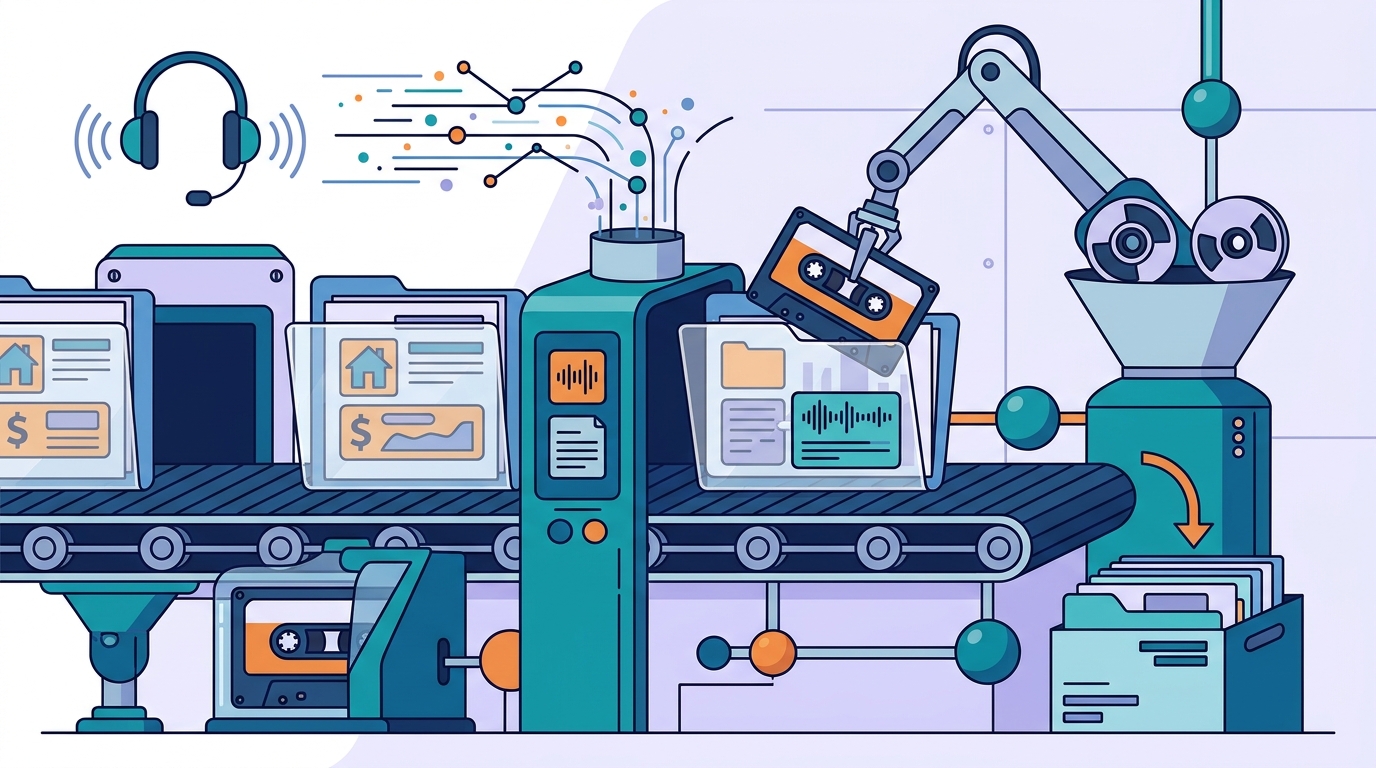
BrokeragePipeline addresses this by treating the call as a first-class object within the pipeline. When a call is made or received through the platform, the recording is automatically linked to the specific borrower record. This means that when a loan officer opens a lead, they see the call recording, the transcript, and the lead status in one view. This eliminates the need to hunt for context in email threads or phone logs. The implication is a more fluid workflow where every team member has the full picture of the borrower's journey.
Automated Attachment and Context Preservation
Integrating call recordings requires more than just storing audio files. It requires preserving the context of the conversation. A call recording is only as useful as the metadata attached to it. This includes the timestamp, the duration, the participants, and the outcome of the call. Without this metadata, the recording is just a file in a folder. With it, the recording becomes a searchable asset within the pipeline.
BrokeragePipeline uses an AI receptionist to handle inbound and outbound calls. This AI system is designed to qualify leads and bridge them to licensed loan officers. When the AI completes a call, it generates a transcript and a summary of the key points discussed. This summary is automatically attached to the borrower's record in the pipeline. The loan officer can then review the summary and the full recording to understand the borrower's intent and concerns. This automated context preservation ensures that no detail is lost, even if the loan officer was not on the call.
The use of AI in this context is not about replacing human judgment. It is about augmenting the workflow with accurate, immediate documentation. The AI receptionist qualifies the lead based on predefined criteria, such as loan purpose and property value. It then transfers the borrower to a licensed loan officer if the lead is qualified. The recording of this interaction is saved and linked to the lead. This allows the loan officer to pick up the conversation exactly where the AI left off, without having to re-ask basic questions. This continuity improves the borrower experience and increases the efficiency of the loan officer's time. according to How Do I
Compliance and Data Security Considerations
Integrating call recordings into a pipeline also raises important compliance and data security questions. Mortgage brokers are subject to strict regulations regarding the handling of borrower data. This includes laws such as the Telephone Consumer Protection Act (TCPA), the Real Estate Settlement Procedures Act (RESPA), and the Gramm-Leach-Bliley Act (GLBA). These regulations require that borrower data be protected and that consent be obtained for certain types of communications.
BrokeragePipeline is designed with compliance in mind. The platform records consent logs when borrowers submit forms that include consent to be contacted by phone or SMS. These logs are stored securely and are accessible to the brokerage for audit purposes. The call recordings themselves are stored in a secure environment that is accessible only to authorized team members within the brokerage workspace. This ensures that borrower data is not shared with other brokerages or third parties without consent.
It is important to note that BrokeragePipeline is a mortgage technology provider and is not a mortgage lender, broker, or financial institution. The platform does not originate, underwrite, or fund mortgage loans. All lending activity, disclosures, licensing, and regulatory compliance are the sole responsibility of the brokerage and its licensed professionals. The platform provides the tools to manage the workflow, but the brokerage is responsible for ensuring that its use of these tools complies with all applicable laws. This distinction is crucial for any brokerage considering the integration of call recordings into their pipeline.
Enhancing Team Collaboration and Training
One of the most significant benefits of integrating call recordings into a pipeline is the ability to enhance team collaboration and training. When call recordings are accessible to the entire team, they become a valuable resource for training new loan officers. New hires can listen to recordings of successful conversations to learn how to handle common borrower questions and objections. They can also review recordings of difficult conversations to understand how to navigate complex situations.
This type of peer-to-peer learning is more effective than traditional training methods because it is based on real-world examples. Loan officers can see how their colleagues handle specific scenarios and learn from their successes and mistakes. This creates a culture of continuous improvement within the team. It also helps to standardize the borrower experience across the brokerage. When all loan officers are trained on the same best practices, borrowers receive a consistent and professional experience regardless of which officer they speak with.
BrokeragePipeline supports this type of collaboration by providing a protected owner pipeline where team members can review and assign leads. The owner can monitor the quality of calls and provide feedback to loan officers based on the recordings. This feedback loop helps to improve the overall performance of the team. It also allows the owner to identify areas where the team may need additional training or support. This level of visibility into the team's performance is a key advantage of using a unified platform for pipeline management.
Key Takeaways
- Integrating call recordings into a pipeline eliminates the operational gap between phone systems and CRM tools.
- Automated attachment of recordings and transcripts ensures that context is preserved and easily accessible.
- Compliance with TCPA, RESPA, and GLBA requires secure storage and proper consent logging for call recordings.
- Call recordings serve as a valuable resource for training new loan officers and standardizing the borrower experience.
- BrokeragePipeline provides a unified workspace where call recordings, transcripts, and lead statuses are linked together.
- The AI receptionist in BrokeragePipeline qualifies leads and transfers them to licensed loan officers, with recordings saved for review.
- BrokeragePipeline is a technology provider, not a lender, and brokerages are responsible for regulatory compliance.
Frequently Asked Questions
How does BrokeragePipeline link call recordings to borrower leads?
BrokeragePipeline automatically links call recordings and transcripts to the specific borrower record in the pipeline. When a call is made or received through the platform, the audio file and metadata are attached to the lead. This allows loan officers to review the conversation in the same view as the lead status.
Can loan officers access call recordings of their colleagues?
Access to call recordings is controlled by role within the brokerage workspace. Owners and operations managers typically have broader access to review calls for quality assurance and training purposes. Loan officers may have access to their own calls and, depending on the brokerage's settings, calls of their colleagues.
Is it legal to record calls in a mortgage brokerage?
The legality of recording calls depends on state and federal laws, including the TCPA. Brokerages must obtain consent from borrowers before recording calls. BrokeragePipeline records consent logs to support compliance with these regulations. Brokerages are responsible for ensuring that their practices comply with all applicable laws.
Does the AI receptionist replace licensed loan officers?
No, the AI receptionist does not replace licensed loan officers. It is designed to qualify leads and transfer them to licensed loan officers. The AI handles initial screening and documentation, but all lending decisions and advice are provided by licensed professionals.
How are call recordings stored and secured?
Call recordings are stored in a secure environment within the brokerage's protected workspace. Access is limited to authorized team members based on their role. The platform uses encryption and other security measures to protect borrower data from unauthorized access.
Can I export call recordings from BrokeragePipeline?
Brokerages retain ownership of their content and borrower data processed through the service. While specific export features may vary by plan, the platform is designed to keep data within the protected workspace for security and compliance reasons. Brokerages should consult their plan details for specific data export capabilities.
Conclusion
Integrating call recordings into a mortgage brokerage pipeline is a critical step toward improving operational efficiency and borrower experience. By using a unified platform like BrokeragePipeline, brokerages can ensure that every conversation is documented, searchable, and accessible within the context of the lead. This integration supports compliance, enhances team collaboration, and provides valuable insights for training and quality assurance. As the mortgage industry continues to evolve, brokerages that adopt these technologies will be better positioned to compete and deliver a superior borrower experience. according to How Do I
To explore how BrokeragePipeline can transform your brokerage's workflow, to schedule a demo.